

Shipping a vehicle internationally involves several steps, from choosing a shipping company to preparing customs documents and arranging delivery. One of the most important questions for vehicle owners is whether insurance is necessary during the journey. Car shipping from UK to Nigeria can expose a vehicle to different risks, including accidental damage, theft, rough handling, and unexpected incidents during sea transportation.
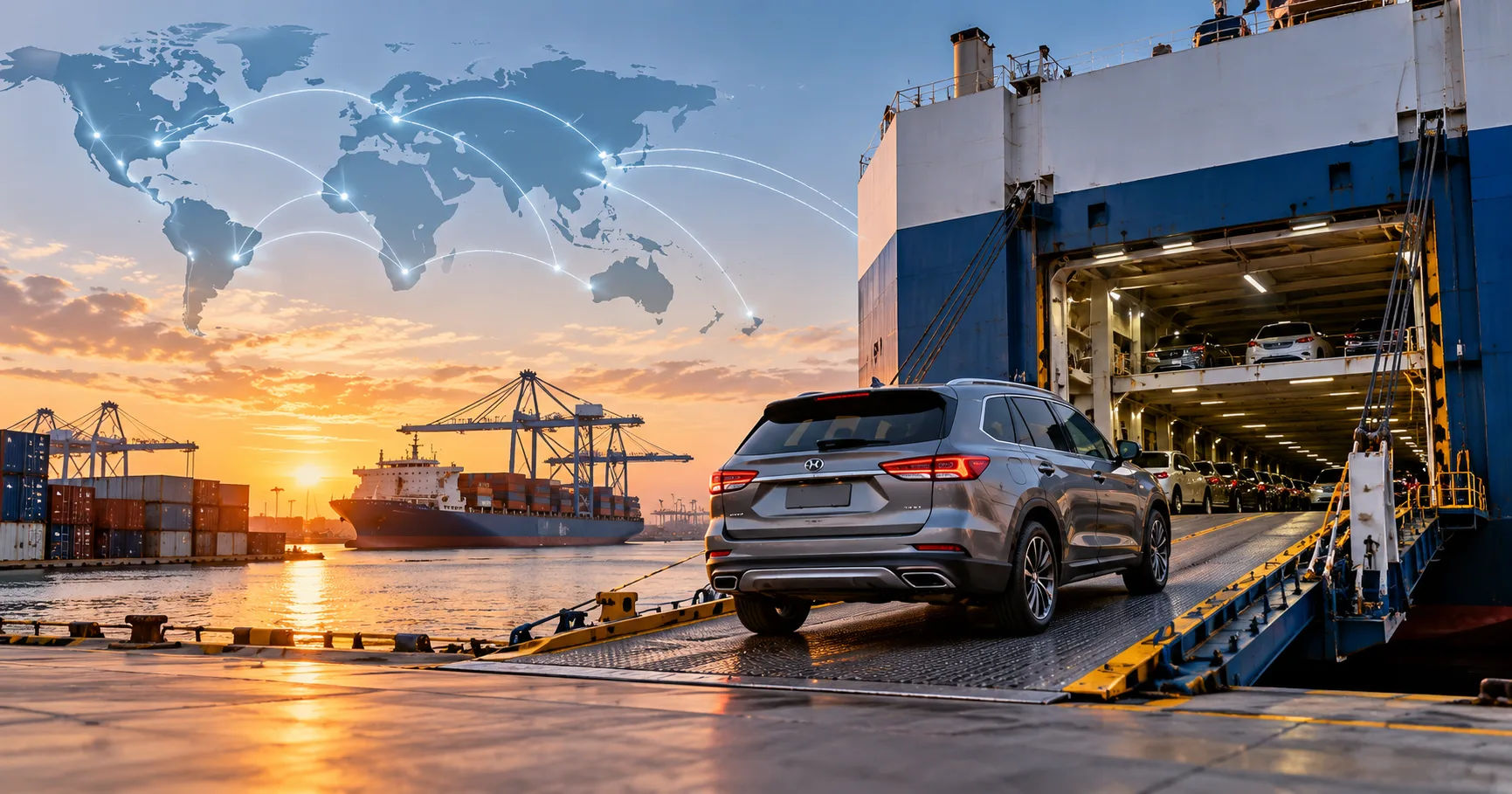
Understanding how shipping insurance works can help you protect your investment and avoid costly surprises.
Whether you are sending a family car, purchasing a vehicle from a UK seller, or transporting a vehicle for business purposes, insurance deserves careful consideration. Although some shipping arrangements may include limited carrier liability, this is not always the same as comprehensive cargo insurance.
This guide explains why insurance matters, what types of coverage are available, what risks you should consider, and how to select suitable protection when transporting a car from the United Kingdom to Nigeria.
Is Insurance Necessary When Shipping a Car from the UK to Nigeria?
Insurance is not automatically mandatory for every international vehicle shipment. Whether you are legally required to purchase a particular policy depends on the applicable rules, the shipping contract, and the specific arrangement you make with your transport provider.
However, purchasing appropriate marine cargo insurance is strongly recommended because international shipping involves risks that may not be covered by the shipping company's standard terms.
A vehicle can travel hundreds or thousands of miles before reaching its destination. During this journey, it may be moved between storage facilities, loaded onto a vessel, secured inside a container, or driven within a port. Every handling stage introduces potential risks.
Without suitable insurance, you may have to pay for repairs or replacement yourself if an incident occurs and the responsible party does not compensate you fully.
Legal Requirements Versus Practical Protection
It is important to distinguish between insurance that is legally required and insurance that is financially sensible.
A shipping company might offer transportation without requiring you to purchase separate cargo insurance. Nevertheless, its liability for damage or loss may be limited by the contract and applicable law.
Before agreeing to a shipment, ask the company whether insurance is included, what it covers, and whether you need to arrange additional protection.
Also, remember that marine cargo insurance does not replace Nigerian vehicle import requirements, customs duties, port charges, or other legal obligations. These are separate matters that must be handled correctly.
Why Car Shipping from UK to Nigeria Involves Risks
International vehicle transportation includes several stages, and damage can happen at different points along the route.
Damage During Loading and Unloading
Cars must be moved carefully when they are loaded onto vessels or placed inside shipping containers. Incorrect positioning, loose securing equipment, or mistakes during handling can cause scratches, dents, broken mirrors, or other damage.
Vehicles transported using roll-on/roll-off services are driven onto and off the vessel. Container shipping, meanwhile, involves securing the vehicle inside a container and handling that container during transportation.
Neither method is completely risk-free. The level of exposure depends on the shipping method, handling procedures, and individual circumstances.
Rough Seas and Severe Weather
Ocean transportation can expose cargo to storms, strong winds, rough seas, and other difficult conditions.
Modern cargo vessels are designed to transport vehicles safely, but severe weather can still contribute to accidents or cargo damage. Depending on the policy, certain marine-related losses may be covered, while others may be excluded.
Review the policy wording rather than assuming every sea-related incident automatically qualifies for compensation.
Theft and Unauthorized Access
Vehicles may pass through ports, storage yards, terminals, and other facilities before reaching their final destination.
Although reputable operators generally have security procedures, theft and unauthorized access remain possible concerns. Valuable vehicles and cars carrying personal belongings may require additional attention.
Ask whether your policy covers theft, partial theft, and losses occurring during temporary storage.
Delays and Additional Expenses
Shipping delays can result from congestion, customs inspections, documentation problems, or operational disruptions.
Ordinary delays do not automatically qualify as insured losses. Similarly, additional storage charges, demurrage, and missed delivery arrangements may not be covered.
Understanding these exclusions can help you budget realistically and avoid expecting insurance to pay for expenses outside the policy.
What Types of Insurance Are Available?
Different policies offer different levels of protection. The most appropriate option depends on the vehicle's value, shipping method, route, and financial risks you are prepared to accept.
Marine Cargo Insurance
Marine cargo insurance is designed to protect goods while they are being transported internationally. For vehicle shipments, it may cover physical loss or damage during insured transportation stages.
Depending on the policy, protection may extend to loading, unloading, sea transit, and specified periods of temporary storage.
However, policies differ significantly. Some cover a broad range of accidental physical losses, while others protect against only listed risks.
When arranging Car shipping from UK to Nigeria, ask whether the policy covers the complete journey, including the relevant port operations and any agreed inland transportation.
All-Risks Cargo Coverage
A policy described as all-risks cargo insurance generally offers broader protection against accidental physical loss or damage than a named-perils policy.
Despite the name, it does not cover every possible event. Exclusions may apply to mechanical failure, ordinary wear and tear, inadequate packaging or securing, pre-existing damage, and certain other circumstances.
The exact exclusions depend on the policy wording.
Read the definitions, conditions, and exclusions carefully. Ask the insurer to explain any clause that could affect a potential claim involving your vehicle.
Named-Perils Coverage
Named-perils insurance covers specific risks identified in the policy. These might include certain fire, collision, or other accidental damage events, depending on the terms.
This type of coverage may cost less than broader insurance, but it can leave important gaps.
For example, if a particular type of damage is not included among the insured risks, you may not receive compensation even if the loss occurred during transportation.
Compare the coverage limits and exclusions before choosing a policy based only on its price.
Carrier Liability Protection
Shipping companies may accept responsibility for certain losses caused by their negligence or other circumstances defined in their contracts.
However, carrier liability is different from cargo insurance. It may be subject to financial limits, exclusions, notification deadlines, and legal conditions.
A carrier might not be responsible for every accident, and proving liability can be difficult.
Ask for a written explanation of the company's liability arrangements and whether a separate insurance policy is available.
What Does Car Shipping Insurance Usually Cover?
The exact protection depends on the insurer and policy, but cargo insurance may cover several important categories of loss.
Physical Damage to the Vehicle
Covered accidental damage may include dents, scratches, broken windows, bodywork damage, or other physical harm caused by an insured event.
The insurer will normally assess the circumstances and determine whether the damage falls within the policy's coverage.
Pre-existing damage is generally treated differently from damage that occurs during the insured journey. This is why documenting the vehicle's condition before shipment is essential.
Total Loss
Total loss may occur if a vehicle is destroyed or disappears under circumstances covered by the policy.
Compensation depends on the insured value, policy conditions, applicable valuation rules, and any deductible.
Do not assume that the insurer will automatically pay the amount you originally paid for the car. The policy may use a different valuation method or impose specific limits.
Theft During Insured Transportation
Some policies cover theft during specified stages of the shipping process.
Nevertheless, coverage may depend on whether the vehicle was properly secured, whether the incident occurred within the insured period, and whether all policy conditions were followed.
Confirm whether the policy includes port storage and any other temporary holding periods.
What Is Usually Excluded from Shipping Insurance?
Understanding exclusions is just as important as knowing what a policy covers.
Pre-Existing Damage
Insurance generally does not cover damage that existed before the insured journey began.
If the vehicle already has dents, scratches, damaged lights, or broken components, these should be recorded before transportation.
Mechanical and Electrical Problems
Ordinary mechanical breakdowns, engine faults, battery problems, and electrical failures may not be covered unless they result from a specifically insured event.
A car that refuses to start after arrival is not necessarily evidence of shipping damage.
Have the vehicle inspected before shipment and keep maintenance records when appropriate.
Personal Belongings Inside the Car
Items such as clothing, electronics, tools, and other personal belongings may be excluded from vehicle cargo coverage.
Some shipping companies prohibit personal belongings inside vehicles, while others impose restrictions or additional charges.
Check the shipping company's rules before placing anything inside the car. Do not assume that belongings will be insured simply because the vehicle is covered.
Delays and Customs-Related Expenses
Insurance usually does not cover ordinary shipping delays, customs penalties caused by incorrect documentation, or routine port charges.
Demurrage, storage, inspection fees, and customs duties are separate expenses unless the policy explicitly provides otherwise.
Prepare accurate documents and allow sufficient time for customs procedures to reduce avoidable costs.
How Much Does Car Shipping Insurance Cost?
There is no single price for insuring a vehicle shipped from the UK to Nigeria. Premiums vary according to the vehicle's value, shipping method, route, coverage level, insurer, and risk assessment.
Some insurers calculate premiums as a percentage of the declared insured value. Others use different pricing methods or apply minimum premiums.
For illustration, suppose your car has an agreed insured value of £10,000 and an insurer quotes a hypothetical premium of 1.5%.
The calculation would be:
£10,000 × 1.5% = £150.
This example is for explanation only. It is not a current market quotation, and actual premiums may be higher or lower.
Factors That Affect the Premium
Several factors may influence the final cost:
-
Vehicle value: More expensive vehicles can require higher premiums.
-
Vehicle type: Luxury, classic, modified, or specialist vehicles may receive different risk assessments.
-
Shipping method: Container shipping and roll-on/roll-off arrangements may have different risk profiles.
-
Coverage level: Broader protection generally costs more than limited coverage.
-
Deductible: A higher deductible may reduce the premium but increase your share of a claim.
-
Route and handling: Transit arrangements, storage periods, and other transportation details can affect the insurer's assessment.
Compare written quotations from reputable insurers or brokers. Consider the coverage offered, not just the premium.
How to Choose the Right Insurance Policy
Selecting suitable coverage requires more than asking whether insurance is available. You need to understand what protection you are actually purchasing.
Confirm the Insured Value
Declare a realistic value for your vehicle and ask how the insurer calculates compensation.
Depending on the policy, the valuation may be based on an agreed amount, an invoice, or another specified method. Additional costs may or may not be included.
Keep purchase receipts, valuation documents, and evidence of any valuable modifications.
Check the Start and End Dates
Insurance should cover the transportation stages you want protected.
Find out when coverage begins, whether it includes loading, and when it ends. If you need protection during port storage or inland delivery in Nigeria, confirm that these stages are specifically included.
A policy that ends when the vessel arrives may not cover damage occurring later during unloading or collection.
Understand the Deductible
A deductible, also called an excess, is the amount you must pay toward an eligible claim.
For example, if an accepted claim is worth £1,000 and your deductible is £200, the insurer may pay £800, subject to the policy terms.
A policy with a lower premium may have a larger deductible. Compare these figures before making a decision.
Read the Exclusions
Ask the insurer to explain exclusions relating to theft, scratches, corrosion, mechanical damage, improper securing, and temporary storage.
Check whether the policy requires particular shipping arrangements or approved transport providers.
Written confirmation is preferable to relying on verbal assurances.
How to Prepare Your Car Before Shipping
Proper preparation helps reduce disputes and makes it easier to establish whether damage occurred during transportation.
Photograph the Vehicle
Take clear photographs of the exterior, interior, wheels, windows, roof, and existing damage.
Capture images from several angles and keep copies with the shipping paperwork. If possible, obtain a signed vehicle condition report from the shipping company.
Photographs provide useful evidence if you need to report damage after arrival.
Remove Unnecessary Items
Remove personal belongings unless the shipping company expressly permits them and confirms the applicable arrangements.
Check the vehicle for loose accessories and disclose any modifications that may affect transportation.
Check the Vehicle's Condition
Arrange an inspection before shipment, especially if the car is valuable or has existing mechanical problems.
Record mileage, fuel level, visible defects, and any other information requested by the carrier or insurer.
Keep copies of the inspection report, booking confirmation, shipping instructions, and insurance certificate.
What to Do If Your Car Is Damaged During Shipping
Discovering damage after an international shipment can be stressful. Acting quickly and following the correct procedure can help protect your position.
Inspect the Vehicle Immediately
When the vehicle becomes available, inspect it carefully before signing a final delivery acknowledgment.
Compare its condition with the photographs and pre-shipment report. If you notice damage, photograph it from multiple angles.
Where appropriate, record the damage on the delivery receipt or condition report before signing.
Notify the Shipping Company and Insurer
Report the problem as soon as possible and follow the notification procedure stated in your policy and shipping contract.
Some policies require prompt notice and supporting evidence. Missing a deadline can complicate a claim or affect your rights.
Ask for written confirmation that the report has been received.
Gather Supporting Documents
Prepare the documents relevant to the claim, which may include:
-
Insurance certificate and policy wording.
-
Bill of lading or other shipping documents.
-
Purchase invoice or valuation evidence.
-
Before-and-after photographs.
-
Vehicle condition reports.
-
Repair estimates and relevant correspondence.
The insurer may request additional evidence or an independent inspection before deciding whether to approve the claim.
Avoid authorizing major repairs before checking whether the insurer requires an assessment, unless urgent action is necessary to prevent further damage.
Understanding Customs and Import Requirements in Nigeria
Insurance protects against specified financial losses; it does not guarantee that your vehicle will be cleared through Nigerian customs.
Before arranging transportation, confirm the current vehicle import rules, eligibility conditions, customs documentation, duties, taxes, and applicable port procedures with Nigerian Customs or a qualified clearing agent.
Requirements can change, and the rules applicable to a particular vehicle may depend on its age, type, origin, and import circumstances.
Ensure that the vehicle identification number, ownership documents, invoice, and shipping information are accurate and consistent.
If the car is financed, leased, or owned by another person, confirm that you have the necessary authority and documentation to export it.
Good preparation helps prevent avoidable delays and expenses after the vehicle reaches Nigeria.
Is Container Shipping or Roll-On/Roll-Off Better for Insurance?
Both shipping methods can be suitable, but they offer different transportation arrangements.
Container Shipping
With container shipping, the vehicle is secured inside a shipping container. Depending on the service, it may be shipped alone or alongside other permitted cargo.
A container can provide a physical barrier against some external exposure, but it does not guarantee that the vehicle will remain undamaged.
Correct securing, loading, and handling remain essential. Insurance terms should also cover the actual container transportation arrangement.
Roll-On/Roll-Off Shipping
Roll-on/roll-off shipping involves driving the vehicle onto and off a specially designed vessel.
This method can be practical for operational vehicles and may be economical for certain shipments. However, the car is handled differently from a vehicle secured inside a container.
Ask the insurer whether the selected method affects coverage, exclusions, or the deductible.
The best choice depends on the vehicle, budget, shipping schedule, and available services. Neither method eliminates the need to assess insurance protection.
Common Mistakes to Avoid When Arranging Insurance
One common mistake is assuming that the shipping company's responsibility automatically covers the full value of the vehicle. Carrier liability may be limited, so always request written details.
Another mistake is choosing the cheapest policy without checking its exclusions. A low premium may provide inadequate protection for an expensive car.
Declaring an incorrect vehicle value can also create problems when a claim is assessed. Use accurate information and disclose modifications or unusual features.
Finally, do not overlook the destination. A policy may cover the sea journey but exclude storage, unloading, or inland delivery in Nigeria. Confirm every stage you want insured before paying.
Conclusion
So, does car shipping from the UK to Nigeria need insurance? A separate cargo insurance policy is not automatically a legal requirement for every shipment, but it is a highly sensible way to manage the financial risks associated with international vehicle transportation. The exact legal and contractual requirements should be confirmed for your particular shipment.
Car shipping from UK to Nigeria involves several stages, including loading, sea transportation, port handling, and potentially inland delivery. Accidents, theft, and physical damage can create unexpected expenses, and the shipping company's standard liability may not provide sufficient compensation.
Marine cargo insurance can offer valuable protection when its terms match your vehicle, shipping method, and transportation route. Before purchasing a policy, confirm the insured value, deductible, exclusions, claim deadlines, and precise period of coverage. Make sure you understand whether loading, unloading, port storage, and delivery in Nigeria are included.
You should also photograph the vehicle, document existing damage, keep all shipping records, and report any loss promptly. At the same time, verify Nigerian import requirements and budget separately for customs duties, taxes, and port-related charges.
Ultimately, the best approach is to obtain written quotations from reputable providers, compare the coverage rather than focusing only on price, and ensure that your insurance arrangement matches the actual shipment. With careful planning and suitable protection, you can reduce uncertainty and transport your vehicle with greater financial confidence.
