

In the modern landscape of healthcare and care services, innovation is not just a buzzword—it is a necessity. Every day, care homes, hospitals, and community health services face challenges that demand creative solutions.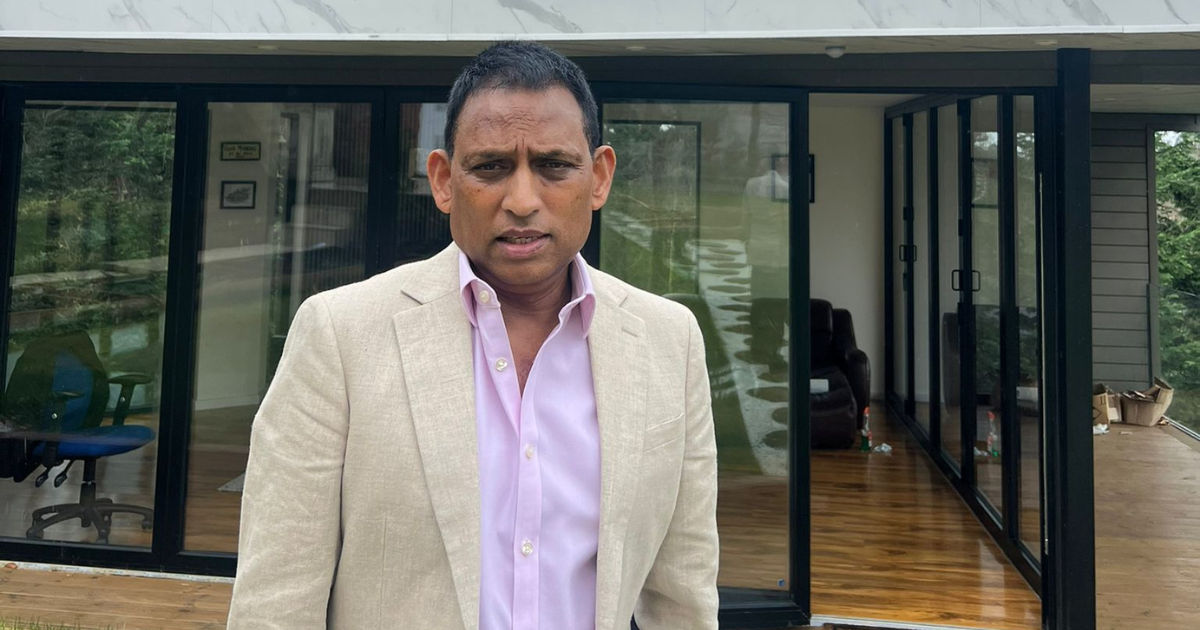
Sheth Jeebun has emerged as a visionary leader in this space, emphasizing the importance of innovation to enhance patient care, improve staff efficiency, and create more sustainable healthcare practices.
From integrating cutting-edge technology to rethinking traditional care models, Sheth Jeebun demonstrates how innovation can transform care for both patients and providers.
Sheth Jeebun understands that innovation in care is not only about adopting the latest gadgets or software. It is about fostering a culture where ideas are encouraged, tested, and implemented responsibly.
This approach ensures that patients receive care that is not only effective but also compassionate and personalized. By focusing on both technological and procedural advancements, Sheth Jeebun sets a standard for care homes and healthcare institutions globally.
The Importance of Innovation in Care
Innovation in care addresses several critical aspects of modern healthcare. Patients today expect more than just basic medical attention—they look for environments that respect their dignity, enhance their comfort, and promote holistic well-being. Meanwhile, care providers face increasing workloads, regulatory pressures, and the challenge of managing resources efficiently. Without innovation, healthcare can become stagnant, limiting the quality of service delivered to those in need.
Sheth Jeebun recognizes that innovation helps bridge this gap. By introducing new care practices and leveraging technology, care homes can improve response times, track patient progress more effectively, and even anticipate patient needs before they arise. This proactive approach ensures that care is not reactive but anticipatory, significantly enhancing the overall quality of life for residents.
Fostering a Culture of Innovation
At the heart of Sheth Jeebun’s strategy is the belief that innovation thrives in a supportive culture. Employees are encouraged to share ideas, experiment with new approaches, and collaborate across departments. This culture reduces resistance to change and builds a workforce that is engaged and motivated.
Sheth Jeebun emphasizes training programs that develop both technical skills and creative thinking. Care staff are not only educated on the latest healthcare technologies but also taught how to apply these tools in real-life care scenarios. This combination of technical knowledge and problem-solving ability ensures that innovation is practical, sustainable, and directly beneficial to patient care.
Technological Advancements in Care Homes
Technology plays a significant role in Sheth Jeebun’s vision for innovation. Modern care homes are increasingly adopting electronic health records, remote monitoring devices, and smart care systems. These technologies streamline administrative tasks, allowing care providers to focus more on personal interaction with residents.
For example, wearable devices that monitor vital signs can alert staff to potential health issues before they become critical. Telemedicine allows patients to consult specialists without leaving the care home, improving access to expert care. Sheth Jeebun encourages the integration of such technologies thoughtfully, ensuring that staff are comfortable using them and that they truly enhance patient outcomes rather than merely adding complexity.
Innovative Approaches to Patient Engagement
Patient engagement is another area where Sheth Jeebun leads by example. Engaging patients in their care not only improves health outcomes but also contributes to their emotional well-being. Sheth Jeebun advocates for programs that encourage residents to take an active role in their health decisions, whether through digital platforms, interactive workshops, or personalized care plans.
Innovation in engagement also includes designing spaces that stimulate mental and social activity. Common areas are redesigned to be more welcoming, activity programs are tailored to individual interests, and technology is used to facilitate communication with family members. These measures ensure that care homes under Sheth Jeebun’s guidance are not only medically effective but also emotionally supportive environments.
Staff Empowerment Through Innovative Practices
Innovation is not just about patient-focused initiatives; it also involves empowering care staff. Sheth Jeebun believes that employees who feel supported and valued are more likely to contribute creative ideas that improve care. Staff are given opportunities to lead pilot projects, suggest process improvements, and participate in decision-making.
This empowerment leads to a more collaborative environment where innovative solutions can be tested and refined. For instance, small teams may experiment with new scheduling methods to improve efficiency or develop new therapeutic activities that enhance patient engagement. The success of these initiatives demonstrates that innovation is most effective when it involves everyone in the organization.
Collaborations and Partnerships
Sheth Jeebun understands that innovation cannot happen in isolation. Collaborations with universities, research institutions, technology companies, and healthcare providers are critical. Such partnerships allow care homes to access new knowledge, experiment with emerging technologies, and adopt best practices from other sectors.
By fostering strong partnerships, Sheth Jeebun ensures that innovation is evidence-based and scalable. These collaborations also allow for knowledge-sharing, where successful innovations in one facility can be adapted and implemented across multiple care homes, magnifying their impact.
Sustainable Innovation
Innovation under Sheth Jeebun’s guidance is not only about improving care today but also ensuring that these advancements are sustainable for the future. Sustainability in care includes optimizing resource use, reducing waste, and implementing practices that are environmentally responsible.
For example, energy-efficient facilities, digital record-keeping to reduce paper waste, and smart resource management systems all contribute to a sustainable approach. By combining innovation with sustainability, Sheth Jeebun ensures that care homes can continue to provide high-quality services without compromising the needs of future generations.
Overcoming Challenges in Care Innovation
Introducing innovation in care is not without its challenges. Resistance to change, limited budgets, and concerns about technology replacing human interaction are common obstacles. Sheth Jeebun addresses these issues by emphasizing a balanced approach: innovation should enhance, not replace, human care.
Training, clear communication, and gradual implementation help reduce resistance among staff and patients. Additionally, cost-benefit analyses ensure that innovations are financially viable and deliver tangible improvements. By carefully managing these challenges, Sheth Jeebun creates an environment where innovation is embraced rather than feared.
Measuring the Impact of Innovation
To ensure that innovation is effective, it is crucial to measure its impact. Sheth Jeebun supports the use of performance metrics, patient satisfaction surveys, and outcome tracking. These tools help assess whether new initiatives are delivering the intended benefits.
Data-driven evaluation also allows for continuous improvement. Innovations that work can be expanded, while those that fall short can be refined or replaced. This commitment to monitoring outcomes ensures that the care delivered is not only innovative but also effective and accountable.
Future Directions in Care Innovation
The future of care is likely to be shaped by rapid technological advancements and evolving patient expectations. Sheth Jeebun is actively exploring emerging trends such as artificial intelligence, predictive analytics, and virtual reality therapies. These tools have the potential to revolutionize patient care by providing more personalized and responsive services.
Sheth Jeebun’s approach ensures that future innovations remain patient-centered. Even as technology becomes more advanced, the focus remains on enhancing the human experience in care, maintaining empathy, and fostering meaningful connections between patients and staff.
Conclusion
Innovation in care is essential for meeting the growing and complex needs of patients while supporting the dedicated staff who provide care. Sheth Jeebun exemplifies how innovation can be strategically implemented to improve outcomes, enhance patient experiences, and create sustainable practices for the future. By fostering a culture of creativity, integrating advanced technologies, empowering staff, and forming strategic partnerships, Sheth Jeebun sets a benchmark for excellence in care innovation.
Through these efforts, care homes are transformed into spaces where both patients and staff thrive. The lessons from Sheth Jeebun’s approach demonstrate that innovation is not merely about change—it is about meaningful, thoughtful, and sustainable improvement that benefits everyone involved in the care process.
